hidden europe 27

Over the fence: the EU's eastern neighbours

by Nicky Gardner

Picture above: photo © Hugo de Wolf / dreamstime.com

Summary

The European Union's Eastern Partnerships initiative is designed to smooth relations with six of the EU's ex-Soviet neighbours. Moscow perceives the initiative as the EU meddling in Russia's sphere of interest. hidden europe reports from Poland's border with Ukraine.

Stariawa and Kroscienko are little more than a dozen kilometres apart. The train that twice daily trundles through these Bieszczady foothills linking the two villages is never very full. The European Union's visa restrictions, which make it pretty tough for Ukrainians to enter Poland, have done nothing to promote the use of this rural railway line. There was a time, when folk from Ukraine would take the train over to Kroscienko and there, in Poland's first village over the border, do a little wayside trade. But the cross-border traffic has dropped off in the last years, and particularly in the wake of Poland's accession to the Schengen group of nations. Ukrainians now need a visa to enter Poland and so pay a heavy price for the ease with which Poles can now travel across Europe.

The chances are that when European Union leaders met in Prague for their May summit, none of them had ever heard of Kroscienko. No thoughts of the village that was once home to several hundred Greek refugees, many of them miners and their families, who moved here after the Greek Civil War. Not a word spoken in Prague about life in the border village where the train from Ukraine pauses just after entering Poland.

"Przyjazna granica," says an old man who came to Kroscienko from Greece when he was in his early twenties. A friendly border. "Przyjazna granica," he repeats pointing at the maze of barbed wire that keeps Poland and Ukraine apart.

Related articleFull text online

Conflicts of interest: Mining and World Heritage

UNESCO's World Heritage List includes many citations which showcase former mining activities. The extractive industries have led to the development of some of Europe's most distinctive cultural landscapes. But the recent addition of a gold mining site in Romania to the list sparks tensions between conservation and economic interests.

Related blog post

Stories in timber and stone - Europe’s Old Towns

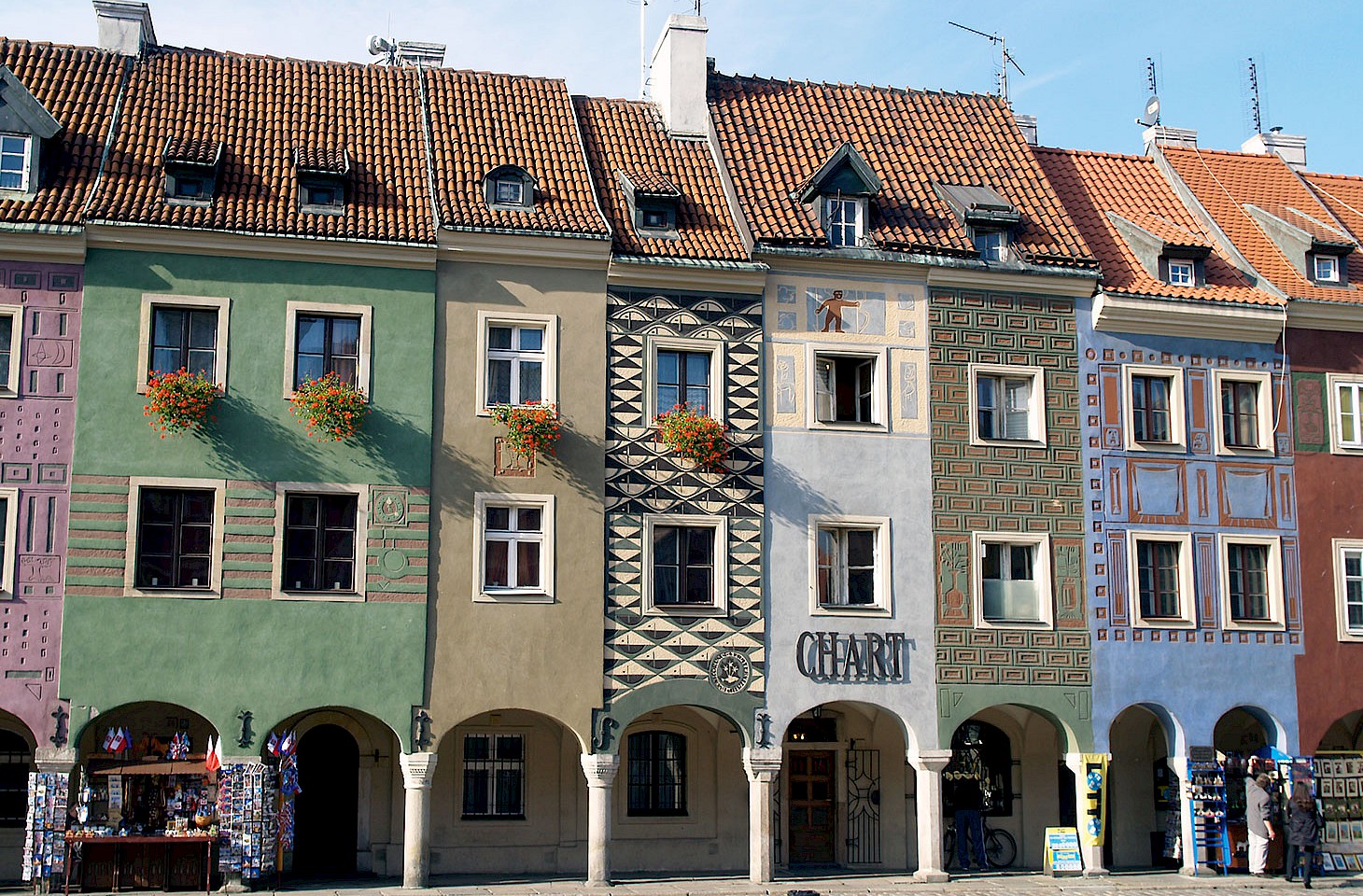
For many travellers the handsome squares in the heart of major cities - throughout central Europe but also more widely - capture the experience of being away from home. These squares, often distinguished by cobblestones and half-timbered buildings, are the focus of the tourism circuit. In some cases, these squares are reconstructions of originals destroyed in conflict, so raising interesting questions of authenticity.

Related articleFull text online

Poznan blues

Europe's city squares are being radically reshaped by the arrival of mass tourism. Thus far, Poznan's beautiful central square has resisted the pressure for change. It remains essentially a place for the locals. But change is surely in the offing.