

hidden europe 52

Smock Mills

by hidden europe

Picture above: Smock mill in West Blatchington, Sussex (photo © Martin Meehan / dreamstime.com).

Summary

The smock mill is a distinctive element of the Dutch cultural landscape. The functionality and simplicity of these simple mills has made them popular exports, and migrants from the Netherlands built smock mills in New England, South Africa and around the North Sea.

A smock mill differs from a conventional tower mill which is usually built with brick or stone. A smock mill is constructed around a wooden frame with a clapboard or thatch exterior. As in a tower mill, the cap can be rotated to ensure that the sails face in an optimal direction to catch the best of the wind. Smock mills first appeared in Holland in the early 16th century, and were quickly recognised as an efficient way of providing power to pump water and thus drain marshy areas — and then to keep those areas dry thereafter. As described in our feature above, Eric’s smock mill is on the Wimmenumer Polder near the village of Egmond aan den Hoef. The area was first drained in 1556.

While smock mills were most commonly used in Holland in water management, elsewhere they found other uses.

This is just an excerpt. The full text of this article is not yet available to members with online access to hidden europe. Of course you can read the full article in the print edition of hidden europe 52.
Related articleFull text online

Conflicts of interest: Mining and World Heritage

UNESCO's World Heritage List includes many citations which showcase former mining activities. The extractive industries have led to the development of some of Europe's most distinctive cultural landscapes. But the recent addition of a gold mining site in Romania to the list sparks tensions between conservation and economic interests.

Related articleFull text online

The lost kingdom

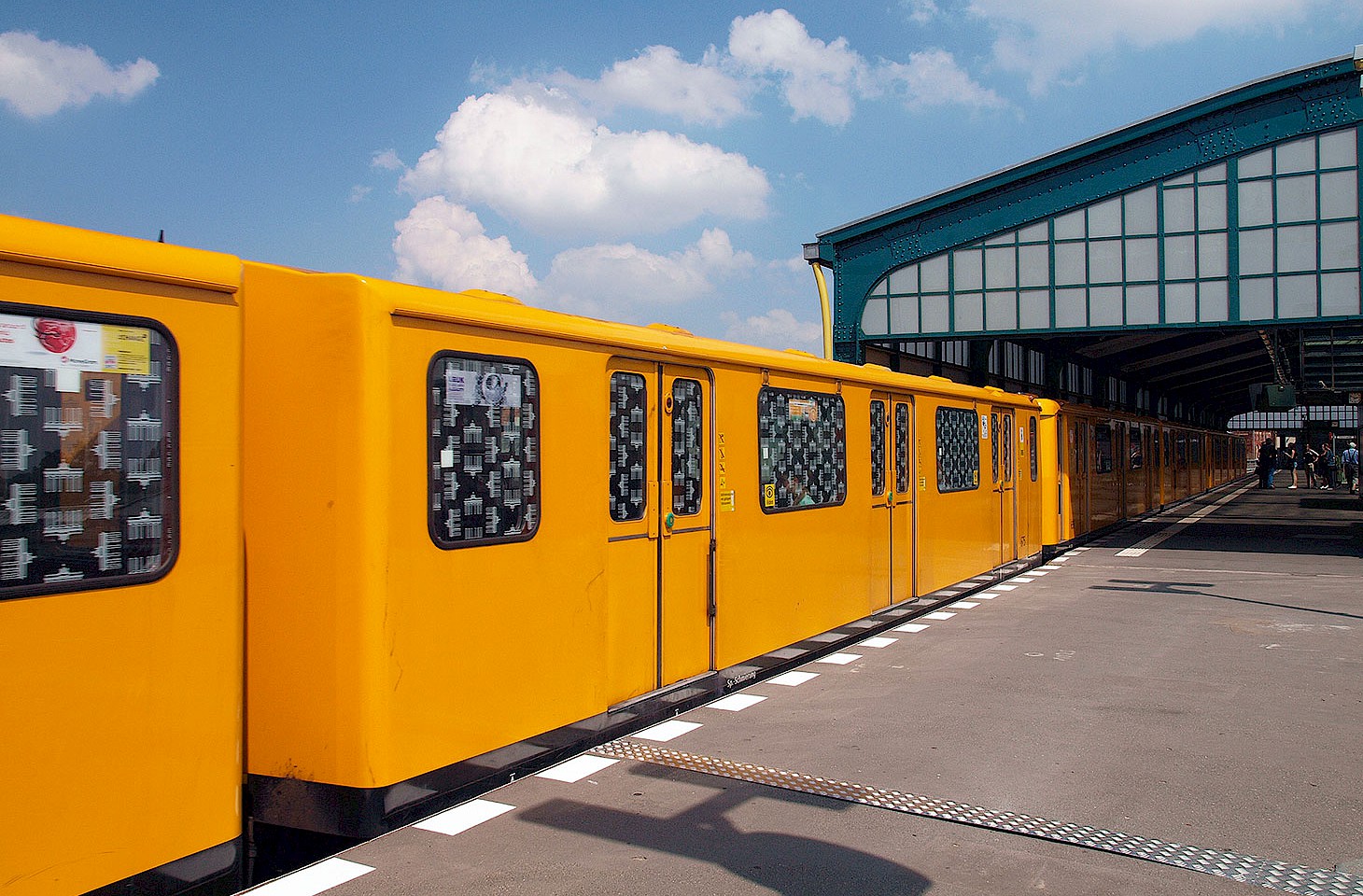
A 1924 essay by Joseph Roth on an unsung railway station in Berlin fired our imagination and inspired us to take the train to Gleisdreieck - an elevated station that in Roth's day looked down on a tangled maze of railway lines and sidings. Nowadays, nature is reclaiming the industrial landscapes of yesteryear.

Related article

Lost at sea: a Frisian tale

There are two sides to Sylt. The east has soggy edges as tidal flats and salt marshes separate Sylt from the German and Danish mainland. The other side can be wild and treacherous, a place where shrapnel spray pounds the beach and bodies are washed ashore.