

hidden europe 55

Bag Tag

by Nicky Gardner

Picture above: Baggage tag showing the IATA code DME for Moscow Domodedovo airport (photo © Gh19 / dreamstime.com).

Summary

Frequent flyers know that it's perfectly reasonable to fly from JFK to WAW via AMS. Just as they appreciate that it makes no sense at all to fly ARN to HEL via CDG. Those innocuous codes on airline baggage tags are the key to the geography of air travel and some have a dash of history too.

No airline has ever offered direct flights on the route from AAL to ZYR. Those three-letter International Air Transport Association (IATA) codes used on airline baggage tags can be enigmatic, evocative or just puzzling. Some are easy to decode. It’s no surprise that AAL is the Danish town of Aalborg, where this summer’s destination list includes AMS, OSL and STN — all easily guessed as the code derives directly from the city or airport name, viz. Amsterdam, Oslo and Stansted. Some airline codes make perfect matches. LTQ could only ever be Le Touquet, just as nothing could fit Nice more nicely than NCE.

But what of the airport code ZYR? Well, that’s not an airport at all; it is a railway station in Belgium. The Dutch airline KLM will gladly book you a ticket from ZYR to Berlin or Bujumbura — or, indeed, to dozens of other cities across the world, provided you don’t mind taking a train for the first part of your journey. The code ZYR is assigned to Brussels Midi station, from where passengers booked though KLM can travel on a direct Thalys train to Schiphol Airport near Amsterdam to join their flight.

So some IATA airport codes refer to places far from any airport. QYG ranks as one of the quirkiest ‘non-airport’ codes.

This is just an excerpt. The full text of this article is not yet available to members with online access to hidden europe. Of course you can read the full article in the print edition of hidden europe 55.
Related articleFull text online

Conflicts of interest: Mining and World Heritage

UNESCO's World Heritage List includes many citations which showcase former mining activities. The extractive industries have led to the development of some of Europe's most distinctive cultural landscapes. But the recent addition of a gold mining site in Romania to the list sparks tensions between conservation and economic interests.

Related articleFull text online

The lost kingdom

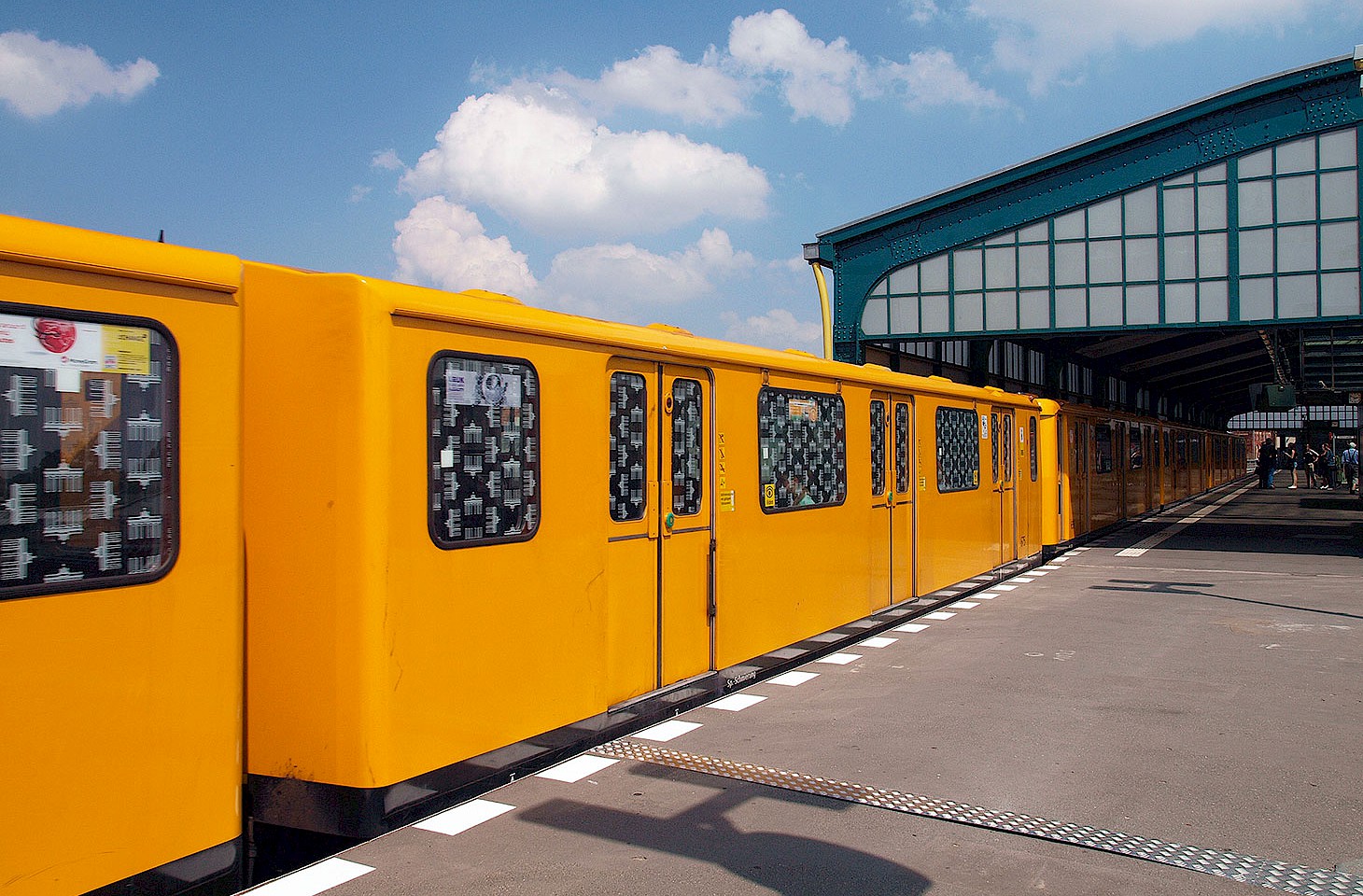
A 1924 essay by Joseph Roth on an unsung railway station in Berlin fired our imagination and inspired us to take the train to Gleisdreieck - an elevated station that in Roth's day looked down on a tangled maze of railway lines and sidings. Nowadays, nature is reclaiming the industrial landscapes of yesteryear.

Related article

Lost at sea: a Frisian tale

There are two sides to Sylt. The east has soggy edges as tidal flats and salt marshes separate Sylt from the German and Danish mainland. The other side can be wild and treacherous, a place where shrapnel spray pounds the beach and bodies are washed ashore.