

hidden europe 21

Hidden europe 21: threads

Summary

A chance to pick up the threads of earlier issues of hidden europe. From chess boxing to the knotty question of what folk from the Greek island of Lesbos should call themselves. Lesbians, perhaps?

From time to time in hidden europe we review topics raised in earlier issues of the magazine. Herewith another bundle of threads.

In May this year, we touched on the knotty topic of gentilics - the names given to folk who hail from a particular country, region or town. You know the sort of word: Mancunians, Swedes and Orcadians. We proffered a few words of gentle gentilic guidance, counselling that the good citizens of the Greek island of Lesbos are not necessarily lesbians. Little did we reckon with the ferocity of the response from Lesbos, for evidently there is a vocal minority of Lesbos residents, mainly men it has to be said, who are very proud to call themselves Lesbians. Indeed, local publisher Dimitris Lambrou is presently embroiled in some complicated legal tussles to try and reclaim the ‘L word' for himself and fellow islanders. Ours not to reason why!

Related articleFull text online

Conflicts of interest: Mining and World Heritage

UNESCO's World Heritage List includes many citations which showcase former mining activities. The extractive industries have led to the development of some of Europe's most distinctive cultural landscapes. But the recent addition of a gold mining site in Romania to the list sparks tensions between conservation and economic interests.

Related articleFull text online

The lost kingdom

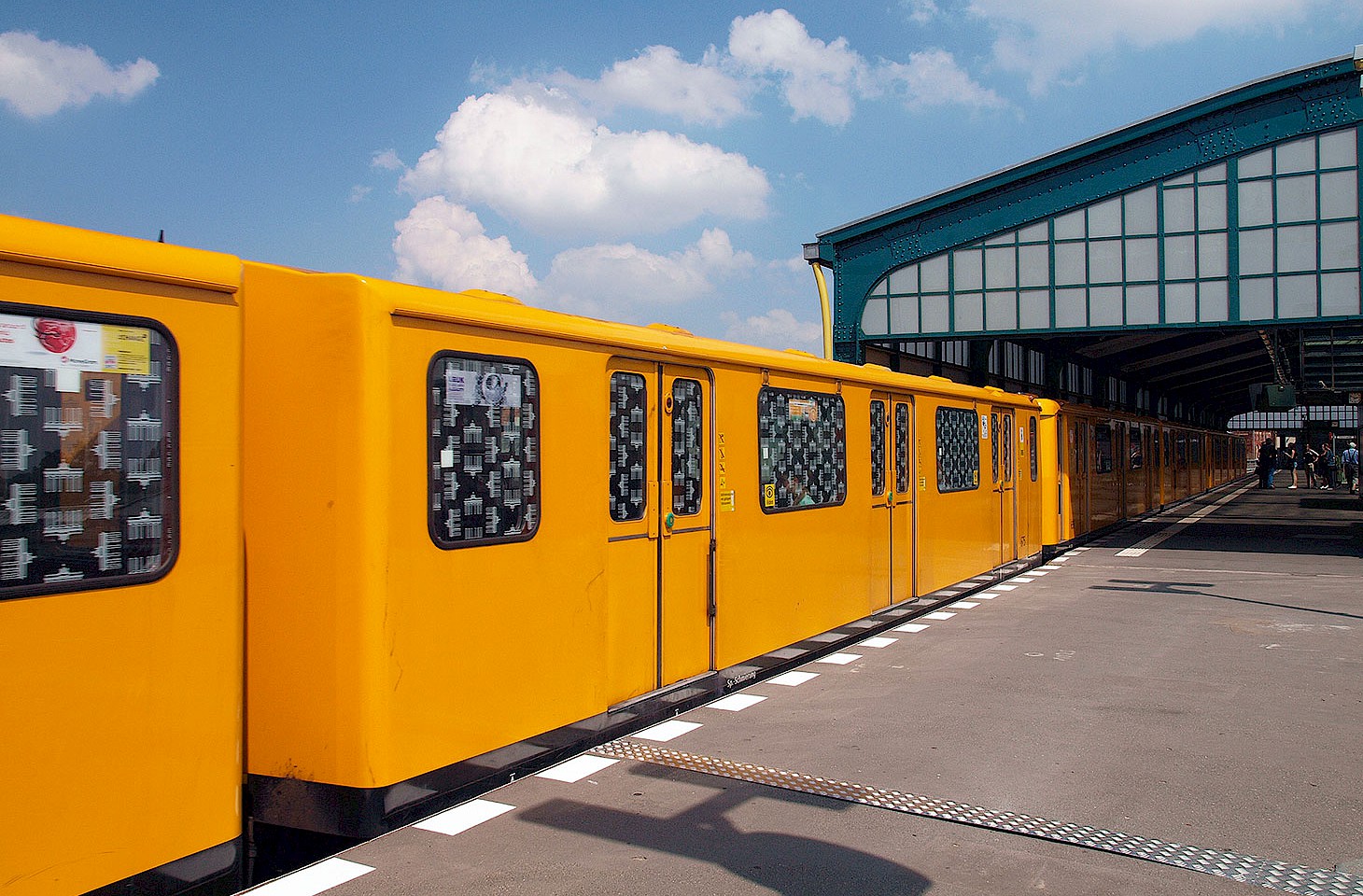
A 1924 essay by Joseph Roth on an unsung railway station in Berlin fired our imagination and inspired us to take the train to Gleisdreieck - an elevated station that in Roth's day looked down on a tangled maze of railway lines and sidings. Nowadays, nature is reclaiming the industrial landscapes of yesteryear.

Related article

Lost at sea: a Frisian tale

There are two sides to Sylt. The east has soggy edges as tidal flats and salt marshes separate Sylt from the German and Danish mainland. The other side can be wild and treacherous, a place where shrapnel spray pounds the beach and bodies are washed ashore.