

hidden europe 31

The strange case of an expanding Europe

by Nicky Gardner

Picture above: photo © Keith Gentry / dreamstime.com

Summary

The compensation culture encourages delayed passengers to seek redress for the inconvenience they have suffered. Air carriers and rail companies have a neat little way of reacting to the new generation of passengers well aware of their rights. They pad out their schedules, adding in a few extra minutes here and there, so enhancing the chance of an on-time arrival and massaging their punctuality statistics.

Slowly but inexorably, Europe is expanding. That would seem to be the only explanation. Britain and Ireland are evidently drifting ever further apart. Frankfurt and Paris are seemingly not the near neighbours they once were.

Let us illustrate by way of example. A dozen years ago, the morning Aer Lingus flight from Dublin to London took 75 minutes. The kind of aircraft used on the flight has remained unchanged. By 2005, the same flight took 85 minutes, and today it takes 95 minutes. If Britain and Ireland continue to drift apart at the rate that has prevailed over the last five years, by the end of this century flight EI 154 will take over four hours to reach London from Dublin.

This pattern is repeated across the continent. In 1998 Air France flight AF 1919 took 70 minutes to get from Frankfurt to Paris (Charles de Gaulle). Today the same flight takes 80 minutes.

We have pored over air and rail timetables and found copious more evidence for this slow process of continental stretching. In 1981 the fastest direct train to Sarajevo from Belgrade took a shade over five hours. Travel from the Serbian capital to Sarajevo today and the train will take over nine hours. This would suggest that the Balkan region is expanding at an alarming rate.

Related articleFull text online

Conflicts of interest: Mining and World Heritage

UNESCO's World Heritage List includes many citations which showcase former mining activities. The extractive industries have led to the development of some of Europe's most distinctive cultural landscapes. But the recent addition of a gold mining site in Romania to the list sparks tensions between conservation and economic interests.

Related articleFull text online

The lost kingdom

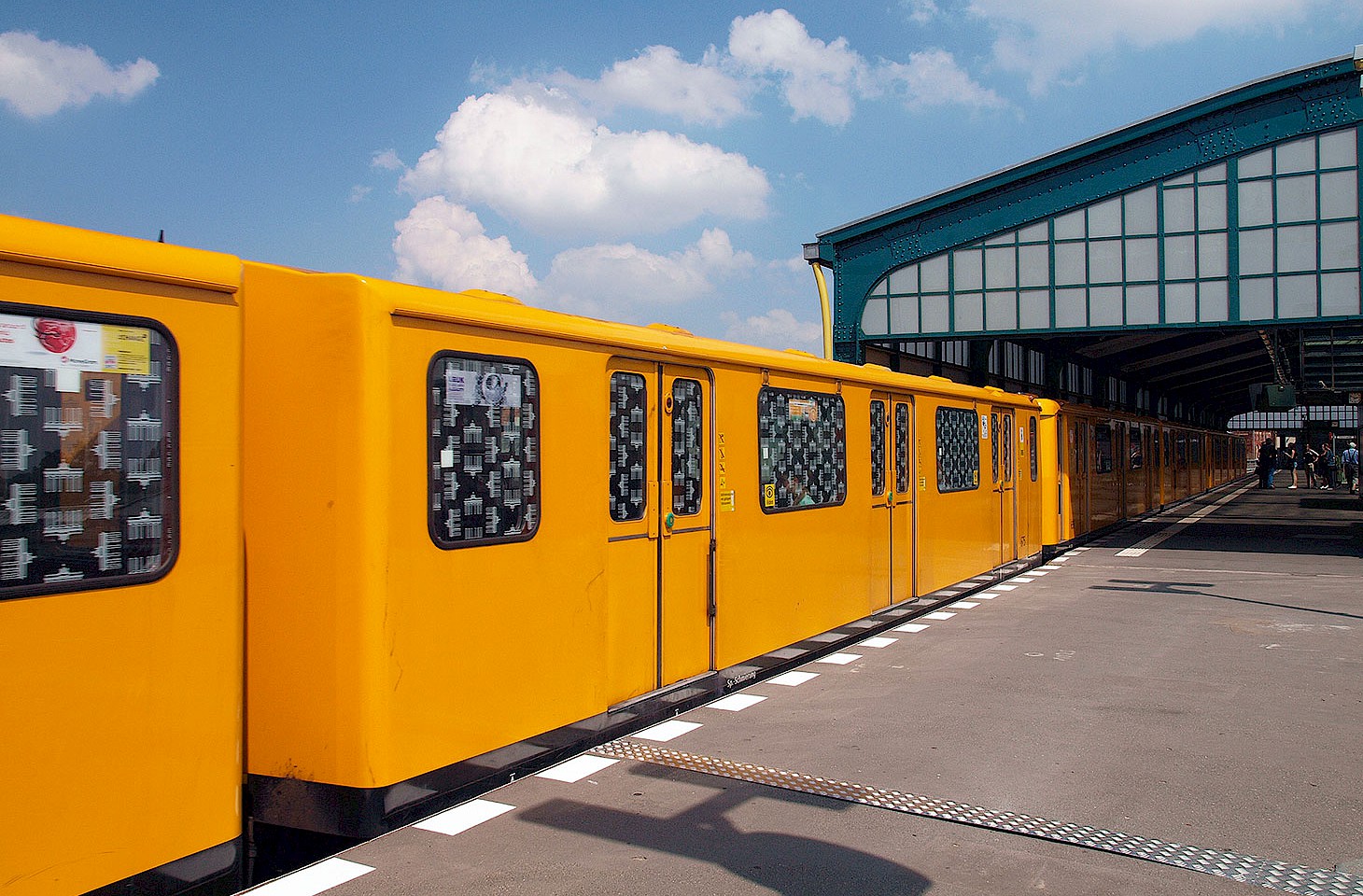
A 1924 essay by Joseph Roth on an unsung railway station in Berlin fired our imagination and inspired us to take the train to Gleisdreieck - an elevated station that in Roth's day looked down on a tangled maze of railway lines and sidings. Nowadays, nature is reclaiming the industrial landscapes of yesteryear.

Related article

Lost at sea: a Frisian tale

There are two sides to Sylt. The east has soggy edges as tidal flats and salt marshes separate Sylt from the German and Danish mainland. The other side can be wild and treacherous, a place where shrapnel spray pounds the beach and bodies are washed ashore.