hidden europe 49

The Memorial at Devil's Bridge

by Nicky Gardner

Picture above: The memorial to General Suvorov's army at the Teufelsbrücke (Devil's Bridge) at the approach to the Gotthard Pass (photo © hidden europe).

Summary

In wild mountain terrain just north of Andermatt in the Alps, the Russian and Swiss flags fly side by side. A nearby memorial recalls how Russian forces led by General Suvorov confronted Napoleon's army in 1799.

The ceremonial opening of the Gotthard Base Tunnel in June was a chance to note technology’s capacity to triumph over geography. When scheduled train services start running through the tunnel later this year, passengers will speed under the Alps in darkness. Those keen on actually seeing the mountains would be wise to stick to the old railway line (which will remain open to passenger traffic) or, better still, follow the old coach road over the Gotthard Pass towards Switzerland’s Ticino region and to Italy.

The approach to the pass on the north side follows the wild gorge of the River Reuss. Greygreen rocks tilt ever sharper as you climb up towards Andermatt. Eventually one reaches the Teufelsbrücke (Devil’s Bridge), an ancient stone bridge which ambitiously links the two sides of this great rocky defile. Long before any railways were built through the Alps, this trade route over the St Gotthard Massif was central to European economics and politics.
This is just an excerpt. The full text of this article is not yet available to members with online access to hidden europe. Of course you can read the full article in the print edition of hidden europe 49.
Related articleFull text online

Eastern Crescent: Islam in the Baltic region

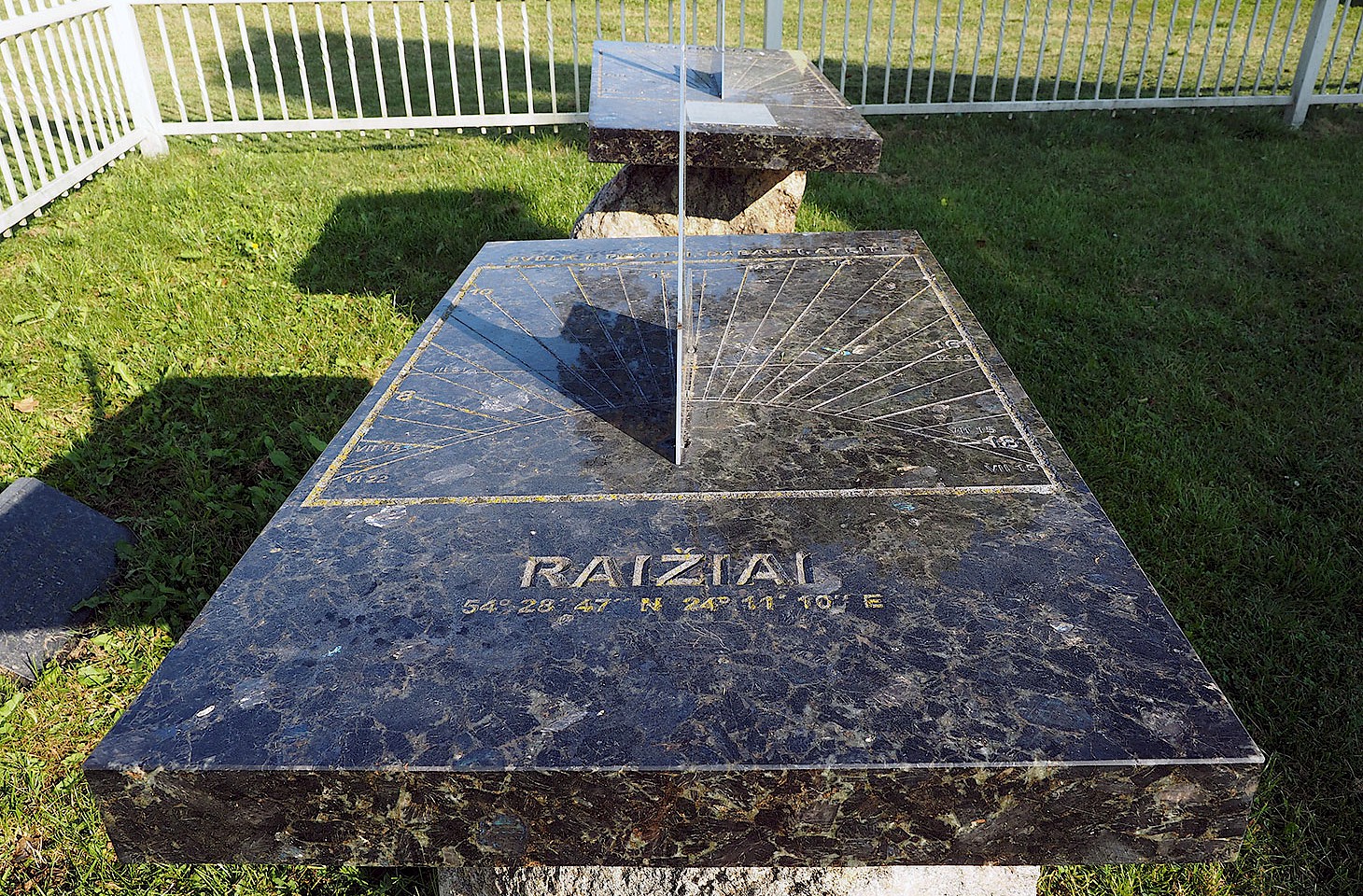
Lipka Tatars settled in the rural region south of Vilnius in the 14th century, and their descendants still reside in villages in north-east Poland, western Belarus and southern Lithuania. They are a Muslim minority in a region of Europe which is often incorrectly perceived as being homogeneously Christian. We report on Baltic Islam.