

hidden europe 6

In praise of the dumpling

by Nicky Gardner

Summary

in search of Europe's best dumpling, hidden europe investigates Czech and German candidates

The landscapes of many parts of northern Bohemia and southern Saxony are very similar. Scarcely surprising as these regions of the Czech Republic and Germany abut one another. Issues of language, culture and history may divide them, but when it comes to the countryside and villages they are pretty nigh identical. Wander through some of the little villages on the Czech side of the border, and, with their gables and wooden beams, they could hardly be distinguished from those in Germany just a stone's throw away to the north.

They had dumplings too; small, but substantial, symmetrically globular, and indestructible dumplings.

from Hermann Melvill, 'Moby Dick', 1851, chapter 51

Enter a country restaurant, and you are likely to find Germans drinking Czech beer. But there is one issue that still truly divides the two countries - and that is the dumpling.

Related articleFull text online

Conflicts of interest: Mining and World Heritage

UNESCO's World Heritage List includes many citations which showcase former mining activities. The extractive industries have led to the development of some of Europe's most distinctive cultural landscapes. But the recent addition of a gold mining site in Romania to the list sparks tensions between conservation and economic interests.

Related articleFull text online

The lost kingdom

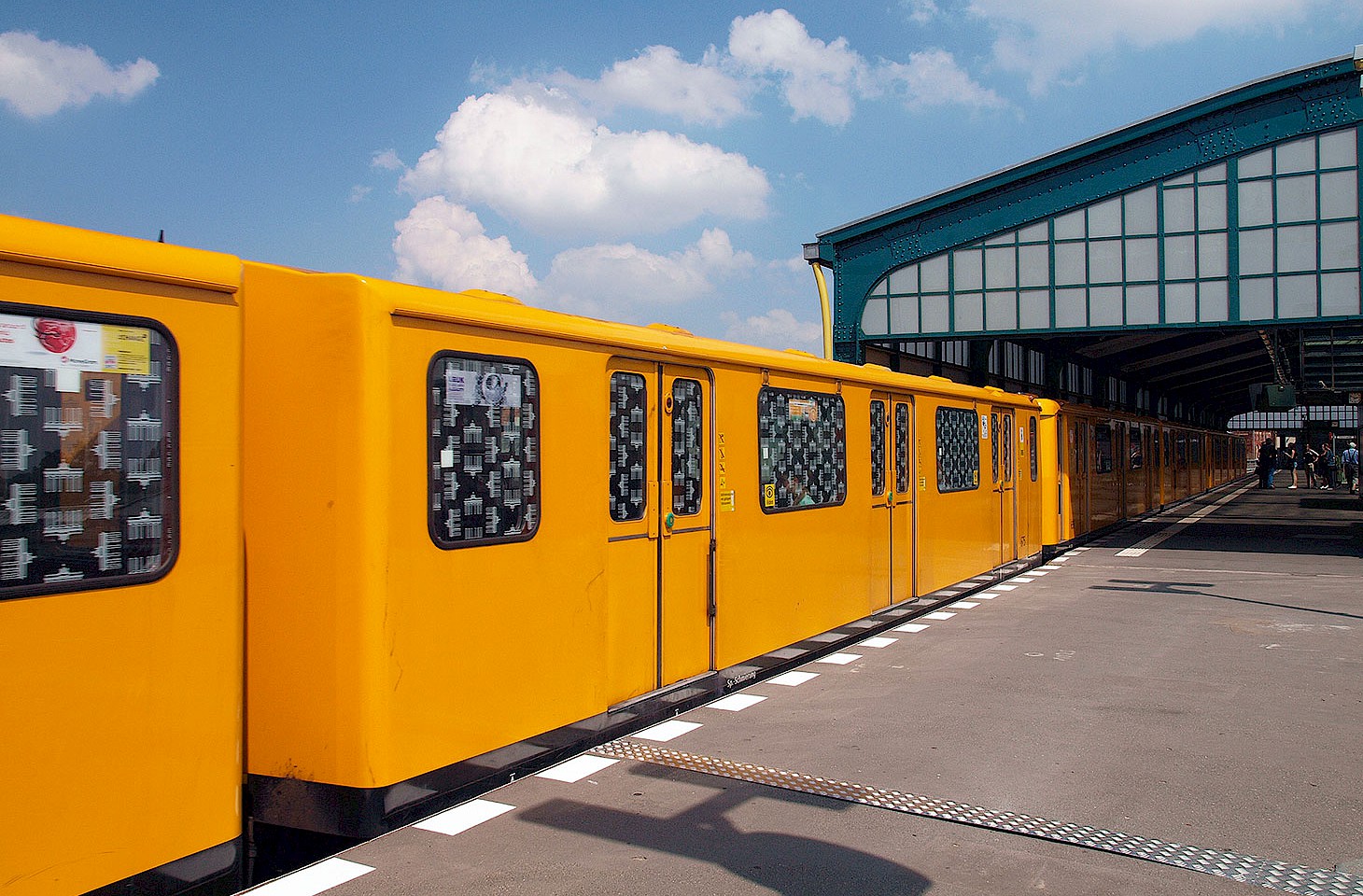
A 1924 essay by Joseph Roth on an unsung railway station in Berlin fired our imagination and inspired us to take the train to Gleisdreieck - an elevated station that in Roth's day looked down on a tangled maze of railway lines and sidings. Nowadays, nature is reclaiming the industrial landscapes of yesteryear.

Related article

Lost at sea: a Frisian tale

There are two sides to Sylt. The east has soggy edges as tidal flats and salt marshes separate Sylt from the German and Danish mainland. The other side can be wild and treacherous, a place where shrapnel spray pounds the beach and bodies are washed ashore.