

hidden europe 51

Cramond: an Ancient Village in Edinburgh

by Duncan JD Smith

Picture above: Cramond Weir on the River Almond (photo © Chris Leachman / dreamstime.com).

Summary

Duncan Smith's 'Only in' series of city guides always strikes a chord with hidden europe readers. Here, Duncan gives a taste of his new Edinburgh guide, introducing us to the Cramond district of the Scottish city.

Every European city has its place to which locals like to escape. Given the chance, the Viennese escape to the leafy Wienerwald, while residents of Madrid might take the cercanías train up to El Escorial for cool breezes and a dose of history. In Edinburgh, one might on a summer’s day retreat to the beach at Portobello or take the bus out to Dr Neil’s lochside gardens at Duddingston.

Another good antidote to the bustle of Edinburgh is to take the bus to Cramond. Just eight kilometres from Edinburgh city centre, this delightful waterfront village is located where the River Almond joins the Firth of Forth. Its attractions include a ruined Roman fort, a mediaeval tower house and an offshore island reached by a tidal causeway. Visitors should alight from Lothian Bus 41 at Cramond Glebe Road, where there is a sign for the village. It is worth reflecting that although Cramond has been part of Edinburgh since 1920, it has a very long history of its own. Indeed archaeologists have unearthed evidence for a Mesolithic campsite here; nomadic huntergatherers evidently made this their home as early as 8500 BC. This makes Cramond the earliest known site of human settlement in Scotland.

This is just an excerpt. The full text of this article is not yet available to members with online access to hidden europe. Of course you can read the full article in the print edition of hidden europe 51.
Related articleFull text online

Conflicts of interest: Mining and World Heritage

UNESCO's World Heritage List includes many citations which showcase former mining activities. The extractive industries have led to the development of some of Europe's most distinctive cultural landscapes. But the recent addition of a gold mining site in Romania to the list sparks tensions between conservation and economic interests.

Related articleFull text online

The lost kingdom

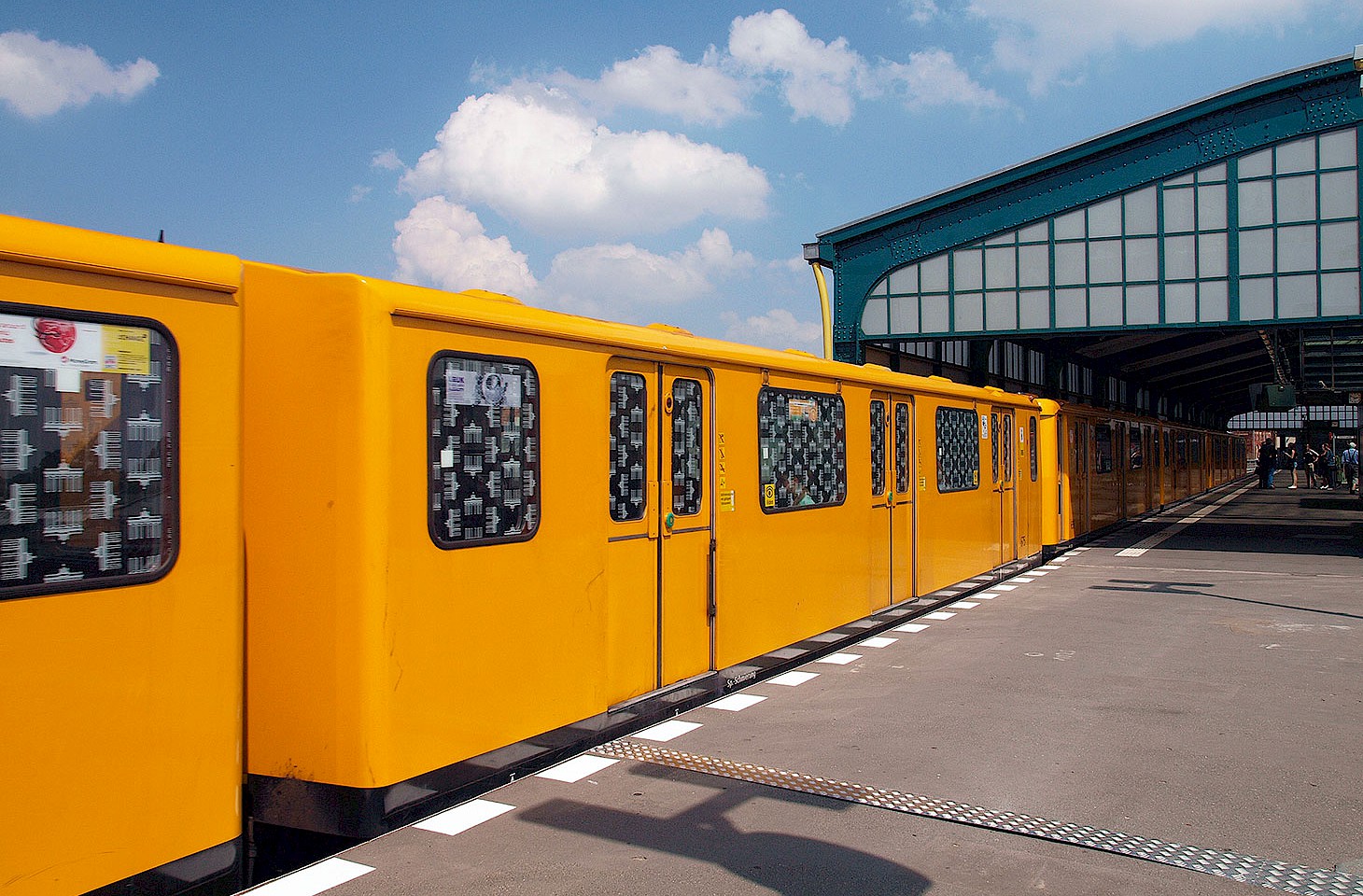
A 1924 essay by Joseph Roth on an unsung railway station in Berlin fired our imagination and inspired us to take the train to Gleisdreieck - an elevated station that in Roth's day looked down on a tangled maze of railway lines and sidings. Nowadays, nature is reclaiming the industrial landscapes of yesteryear.

Related articleFull text online

The last poet: Farewell, Pushkin

The last of the Soviet Union's great ocean liners outlived the Soviet Union. The MS Aleksandr Pushkin made her first visit to Tilbury (in the lower reaches of the River Thames) in April 1966. For over half a century, this classic ship was a regular visit to Tilbury. Renamed the MS Marco Polo, she arrived in Tilbury the very last time in March 2020.