hidden europe 51

Follow the Red Brick Road: Baltic Gothic Architecture

by Nicky Gardner

Picture above: Malbork Castle with the River Nogat in the foreground. Once a fortress for the Teutonic Order, the castle served for over 300 years as a Polish royal residence (photo © Patryk Kosmider / dreamstime.com).

Summary

From Lübeck and Stralsund to Malbork and Tartu, the distinctive decorative red-brick architecture is regarded as an iconic feature of the Baltic region. We take a look at the architectural tradition often known by its German name Backsteingotik.

There are some views from the train which remain forever in the memory. A glimpse of the monastery of Melk from the train heading towards Vienna is one. Another which lingers happily is the extraordinary sight of the great basilica at Esztergom from the north side of the Danube just as the Budapest-bound train crosses the border from Slovakia into Hungary. But even these two remarkable views are as nothing compared with the view to the south as the train from Gdańsk crosses the River Nogat at Malbork.

The views of the ecclesiastical buildings at Melk and Esztergom may be remarkable, but both buildings are self-explanatory: they are expressions of Catholic might. That glimpse of the castle at Malbork suggests something altogether more complicated, evoking as it does images of Teutonic power and Hanseatic authority. Why does this striking red-brick castle stand amid Polish meadows? Who built it, and why?

Malbork Castle (zamek w Malborku in Polish) is Europe’s largest brick castle and a fine place to start investigating the red-brick Gothic architecture of the Baltic region. The castle is widely acclaimed for its antiquity with many writers commending it as the greatest work of mediaeval secular architecture in Europe, and some commenting that its completeness attests to the quality of 14th-century craftsmanship.

Such plaudits gloss over the fact that 200 years ago Malbork was in a woeful state of disrepair; its reconstruction in the 19th century was an important assertion of Prussian power in the region.

This is just an excerpt. The full text of this article is not yet available to members with online access to hidden europe. Of course you can read the full article in the print edition of hidden europe 51.
Related articleFull text online

Conflicts of interest: Mining and World Heritage

UNESCO's World Heritage List includes many citations which showcase former mining activities. The extractive industries have led to the development of some of Europe's most distinctive cultural landscapes. But the recent addition of a gold mining site in Romania to the list sparks tensions between conservation and economic interests.

Related blog post

Stories in timber and stone - Europe’s Old Towns

For many travellers the handsome squares in the heart of major cities - throughout central Europe but also more widely - capture the experience of being away from home. These squares, often distinguished by cobblestones and half-timbered buildings, are the focus of the tourism circuit. In some cases, these squares are reconstructions of originals destroyed in conflict, so raising interesting questions of authenticity.

Related articleFull text online

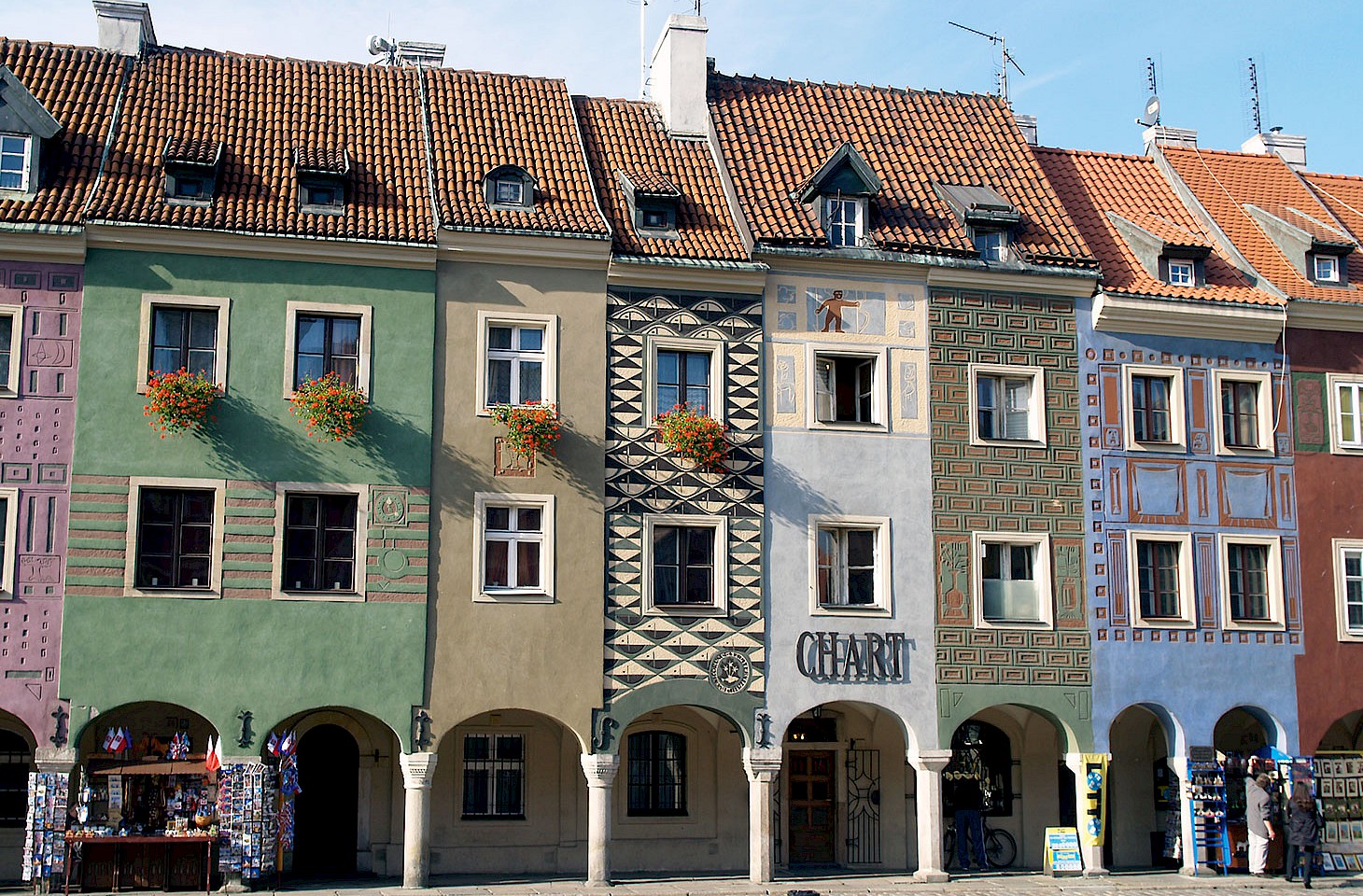
Poznan blues

Europe's city squares are being radically reshaped by the arrival of mass tourism. Thus far, Poznan's beautiful central square has resisted the pressure for change. It remains essentially a place for the locals. But change is surely in the offing.