

hidden europe 9

Drink local

by Nicky Gardner

Summary

In praise of local wines, the ones made from grapes native to the local area, rather than the big name varietals.

One of the many delights of travelling across Europe is to find that local wine shops in small towns and villages are not all full of the same varietals that dominate the western European market. Supermarket shelves in western Europe are packed with ready reference bottles of often bland wines that have familiar names: Merlot, Chardonnay and Pinot Noir are but three. Somehow, geography is relegated to second place as the name of a familiar varietal takes precedence - producers and consumers collude in the myth that place no longer matters and that the blending of many grape types to create a pleasing wine is a redundant art.

But, even for those who have succumbed to the idea that the best wines are those made from a single type of grape, it pays to take a look beyond the familiar grapes which have a tight hold on the global market, and explore local varietals.

This is just an excerpt. The full text of this article is not yet available to members with online access to hidden europe. Of course you can read the full article in the print edition of hidden europe 9.
Related articleFull text online

Conflicts of interest: Mining and World Heritage

UNESCO's World Heritage List includes many citations which showcase former mining activities. The extractive industries have led to the development of some of Europe's most distinctive cultural landscapes. But the recent addition of a gold mining site in Romania to the list sparks tensions between conservation and economic interests.

Related articleFull text online

The lost kingdom

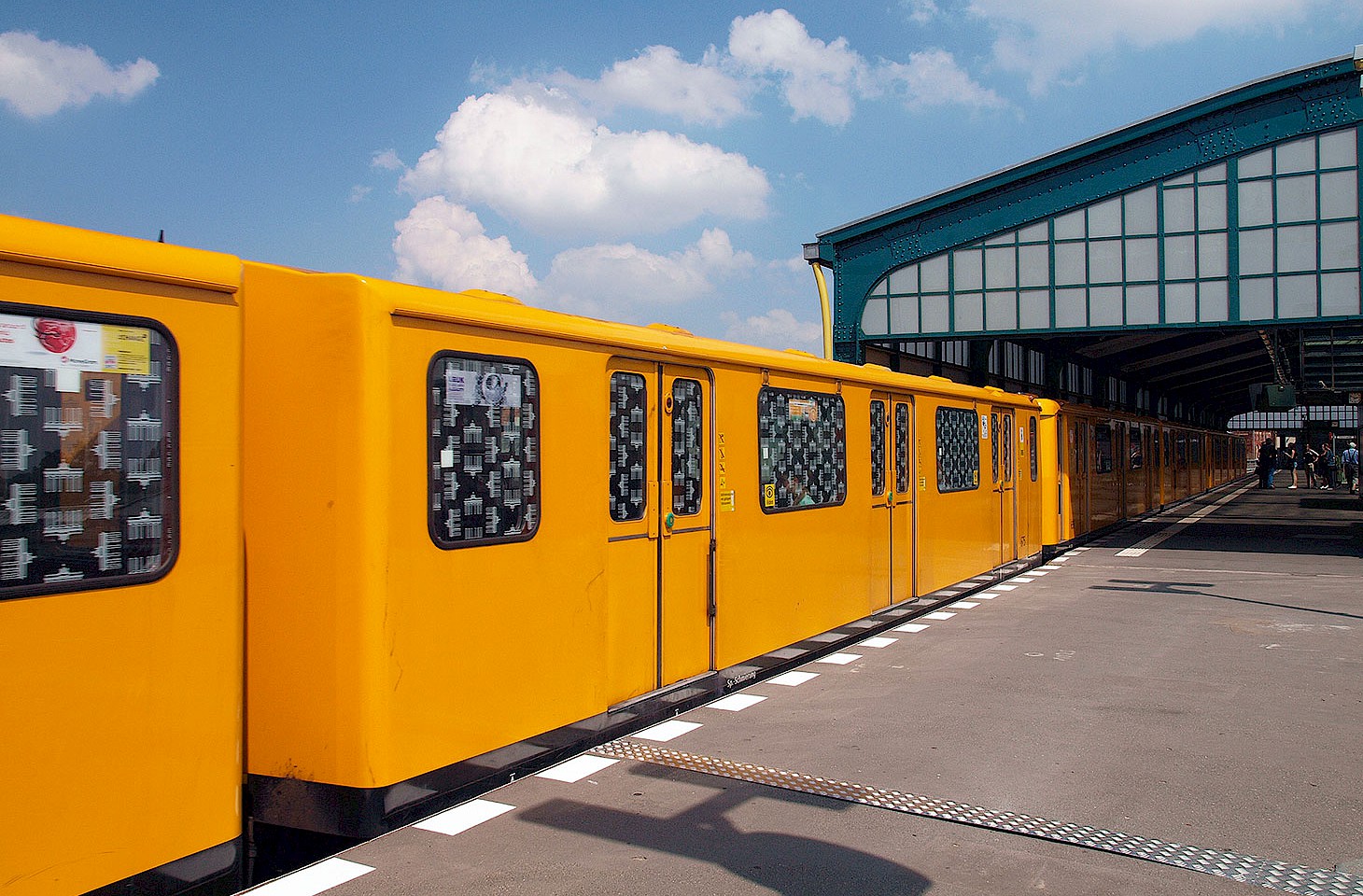
A 1924 essay by Joseph Roth on an unsung railway station in Berlin fired our imagination and inspired us to take the train to Gleisdreieck - an elevated station that in Roth's day looked down on a tangled maze of railway lines and sidings. Nowadays, nature is reclaiming the industrial landscapes of yesteryear.

Related article

Lost at sea: a Frisian tale

There are two sides to Sylt. The east has soggy edges as tidal flats and salt marshes separate Sylt from the German and Danish mainland. The other side can be wild and treacherous, a place where shrapnel spray pounds the beach and bodies are washed ashore.